
Province of Rovigo: City, Polesine and Po Delta
Find accommodation
Rovigo brings together two very different travel experiences: art and history in the city of the same name, and the vast riverscapes and wetlands of the southern Polesine. Decide what matters most to you before booking, then choose your accommodation and day trips accordingly, rather than cramming the city, the Delta and the coast into an overloaded itinerary.
A day among squares, palaces and museums
The provincial capital is well suited to a cultural stay with short distances between sights. In Rovigo, the Donà and Mozza towers remain as remnants of medieval fortifications. Palazzo Roncale and Palazzo Roverella recall the city’s Venetian era; Roverella houses the Accademia dei Concordi art gallery and hosts temporary exhibitions. The Sanctuary of Beata Vergine del Soccorso is known as La Rotonda for its octagonal layout. The Museo dei Grandi Fiumi explores the history of the people who lived between the Adige and the Po. This mix is best enjoyed at a leisurely pace, not as a race from one attraction to another. Choose a few stops and leave time for a coffee or a longer museum visit. Find more information about local sights in Rovigo.
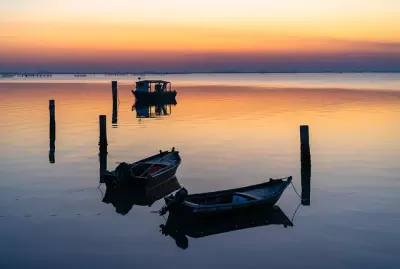 Rovigo - das Po-Delta
Photo: Alessandro auf Pixabay
Before visiting, it’s worth checking the opening days and exhibition schedules for your planned dates. This is especially important if a particular museum is the focus of your day. In hot weather or rain, you can spend more time indoors; in pleasant weather, the squares and streets make for a relaxed route between landmarks. Rovigo is a good choice for anyone who wants to experience an art city away from the biggest crowds while learning more about the history of the land between the rivers.
The Polesine and the Delta: distinct landscapes
The Polesine is a plain between the Po and the Adige, not a single city or one unified holiday destination. In the south, the Po branches out into a mosaic of waterways, canals, lagoons and wetlands. Agriculture and fishing shape how the area is used, while the waterside is also home to valuable habitats for birds and other wildlife. If you want to explore this setting, it’s best to choose a particular area and give it enough time. The Po Delta landscape is very different from a city stroll in Rovigo or a day at the beach.
For several excursions in the south, Porto Viro could make a convenient base. If you want to combine sightseeing with days in nature, you could also look into staying in the provincial capital or another town. Adria offers its own urban stop in the Polesine; it is not simply another name for the Delta. Before booking, compare the exact location, your planned starting points for excursions and the daily travel times. Accommodation that seems central may not be practical for your plans if it’s on the wrong side of the area.
A detour to Lendinara can also add variety to a drive through the hinterland. Whether a stop there is worthwhile depends on what you want to see and how much time you have for the journey and visit. It’s better to plan a few well-chosen stops than a long list. Flat terrain doesn’t necessarily mean short distances; stops, connections and breaks all shape the pace of the day.
Taking it slow in the land of water
The park authority describes cycling routes along the Po’s embankments and through areas of valleys and lagoons. Gentle gradients don’t automatically make a route easy: distance, wind, sunshine, the ground surface and your own fitness matter too. First decide where to start and how you’ll return, then choose a route that fits the time you have. Bring enough water, protect yourself from the sun and check local notices shortly before setting out. Weather, water levels and temporary restrictions can change conditions.
Walking offers a more leisurely pace, with occasional viewpoints along the way. Stick to marked paths and keep your distance from birds and other wildlife. Binoculars and patience are more useful than trying to tick off as many places as possible in a short time. If you’re travelling with children, choose a short walk and allow time for a longer break. A longer cycling trip, on the other hand, calls for a clear turnaround point and enough time for the return journey. Conditions vary from one area to another; don’t treat general route information as a guarantee that every trail will be accessible every day.
Water is more than a backdrop: river branches, canals and lagoons are part of a landscape shaped by human activity and water management. Designated visitor centres offer a better understanding of both nature and traditional livelihoods. Some boat trips are offered seasonally or by individual operators. Since availability and conditions can change, don’t make a boat trip your only planned activity. On land, trails and observation points also provide access without requiring you to enter sensitive waterside habitats.
Combine the city, nature and sea to suit your trip
A short weekend can focus on Rovigo and a single additional excursion. On a longer trip, you could start with the city and then make the Delta your main focus. If you’re planning several days in nature, you could change your base, but remember to allow time for packing and travelling. A boat trip, a museum visit and a long cycling route won’t always fit into the same day; choose one main activity and leave the rest flexible.
If you also want to spend time by the sea, include the Adriatic coast as a separate part of your itinerary. Beach resorts and beaches offer a different kind of stay from the quiet lagoons and rural trails of the Delta. Venice is also a destination in its own right, in a different province. Distances, travel arrangements and the time needed vary, so a trip through Rovigo doesn’t have to include every well-known city in Veneto. First decide which landscape or city you want to devote the most time to.
Local food and when to visit
The cuisine of the Polesine reflects produce from the plain, rivers, lagoons and sea. Regional specialties include Riso del Delta del Po and Insalata di Lusia, both protected-origin products. Fish and shellfish also feature prominently. The dishes on offer depend on the location, season and establishment, so ask about locally sourced ingredients rather than assuming that a particular dish will be available everywhere. A meal can round off a museum day in Rovigo or bring a day by the water to a close.
Mild weather is usually more comfortable for outdoor activities than extreme heat, while wildlife and water levels change over the course of the year. Museum visits, in turn, depend on opening hours and the specific programme. There is no single ideal time to visit for every interest. If you want to combine the city and the Delta, plan a flexible day so you can adjust the order of your activities to the weather and current conditions.
Choose accommodation based on your plans for the day
Accommodation in the centre of Rovigo is a good fit if you want to reach museums, landmarks and restaurants on foot. If you’re planning repeated trips to the southern Po, staying closer to your departure points will be more convenient. For a longer route, spending several nights in different places can make day-to-day travel easier, but every move takes time. So compare the actual distances to your main destinations, not just the names of the towns. If your main aim is to swim in the sea, look specifically for accommodation on the coast; a rural location in the Polesine offers a different experience.
Rovigo is a rewarding destination for travellers who don’t treat an art city and a watery landscape as interchangeable backdrops. First decide whether architecture, cycling, birdwatching, local food or the coast matters most to you. Then you can plan well-paced days without rushing through every excursion. A trip that leaves room for the city centre, one carefully chosen place in the Polesine and a peaceful nature experience will show you more of the province than an itinerary that tries to tick off as many stops as possible.
