
Plan a holiday in Veneto: cities, coast, lake and mountains
Find accommodation
Veneto is more than Venice: the region stretches from the lagoon and the Adriatic coast through art cities and rolling hills to Lake Garda and the Dolomites. A clear focus makes planning easier. Would you like to explore historic city districts, spend several days by the sea, experience the countryside actively, or combine different parts of the region on a round trip? Your choice will determine where to go, where to stay, and how to pace each day.
Four ways to plan the right trip
1. Cities, art and history
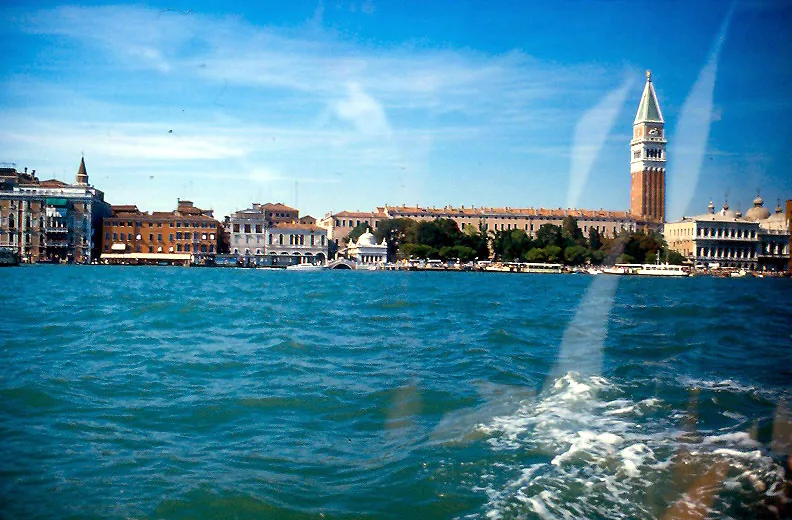
For a cultural stay with accommodation in Venice, the lagoon city—with its canals, squares, churches and collections—is a destination in its own right. The lagoon adds islands and waterscapes to a city visit, but it is not a quick extra if your day is already packed with sightseeing. For a second urban focus, consider Verona, with its Roman and medieval history; Padua, with its historic centre; or Vicenza, known for Andrea Palladio’s buildings. Focusing on a single neighbourhood or a carefully chosen collection leaves more room for discovery than ticking off a list of sights scattered far apart. A cultural trip in Veneto can bring together architecture, art and music; in the lagoon city, walking tours between Rialto, art and canals take you through a variety of cityscapes.
2. Beaches and waterscapes
If beach days are your priority, choose a coastal town as your base. Jesolo combines a long stretch of coast with a distinctly tourist-oriented town centre. Caorle pairs the sea and beach with a historic centre and lagoon scenery, while Bibione lies farther east and is another holiday destination in its own right. These three towns are not districts of Venice. A trip to the lagoon therefore involves extra travel and is best planned as a full-day outing. The Veneto Adriatic coast links these destinations into a coastal region; a beach holiday on the Adriatic could, for example, include a stay in Caorle.
3. Lakes, rolling hills and good food
The landscape changes along Lake Garda, from the southern shores to the more mountainous stretch around Malcesine. Lakeside towns, views across the water and proximity to Monte Baldo shape the experience. If you would rather drive through hills, wine towns and historic centres, make the area between Treviso and Valdobbiadene your focus. The Euganean Hills, meanwhile, combine distinctive hilly scenery with towns such as Abano and Montegrotto Terme. The towns along Lake Garda in Veneto each have their own character, while the hills around Treviso and Valdobbiadene are well suited to wine trips in Veneto. It is worth considering local food as you choose an area. Fishing and the fish market are part of Chioggia’s identity, while Radicchio di Chioggia IGP has a specific local connection to the southern lagoon. In the hills between Conegliano and Valdobbiadene, Prosecco Superiore DOCG is tied to the vineyards of the fifteen municipalities. These examples show how cuisine and local products vary from place to place, rather than forming one uniform menu for the entire region.
4. Hiking, cycling and nature
For an active holiday, the Dolomites and valleys of the Province of Belluno offer a very different scale from the flat coast. Cadore, Cortina d’Ampezzo, Valbelluna, Zoldo, Falcade and Alleghe are distinct starting points, so it makes sense to begin a mountain hike near the landscape you want to explore. Around Lake Garda, too, you can combine lakeside towns with trails offering views of Monte Baldo. In the south, the Po Delta opens onto a flat landscape of waterways and wetlands, quite unlike alpine trails. In the Dolomites of Veneto, valleys and elevation shape your mountain excursions; the Po Delta, by contrast, offers flat waterways and wetlands. For active days in the saddle, explore hills, lake and delta to match the terrain to your interests.
Plan a round trip around your time and preferred pace
A short trip benefits from a single focus: Venice or another art city, rather than trying to fit in cities, coast and mountains all at once. If you have more time, you could add a second area, such as Venice and Padua or Verona and the eastern shore of Lake Garda. A longer round trip can include several overnight stops, but each move takes time for packing, arriving and getting oriented. So first ask yourself which area deserves more than a brief stop. Then choose an additional destination that genuinely offers a different experience.
The provinces are useful for understanding the map, but they are not uniform holiday regions. The Province of Venice includes both the lagoon city and coastal towns far away; the Province of Verona brings together the city, rolling countryside and Lake Garda; and the Province of Belluno encompasses valleys and several parts of the Dolomites. A province name alone therefore does not tell you how close your accommodation is to a beach, railway station, hiking trail or art centre. Comparing the Province of Verona and the Province of Belluno makes these differences in scale clear.
Match your travel style to your daily pace
A trip with lots of walking works well in compact city districts, with accommodation near the start of your planned routes. A coastal base makes sense for a beach holiday when the beach and everyday errands shape your routine. At the lake or in the mountains, your planned excursions will determine whether a quieter town or a city makes the better base. On a round trip, it also pays not to commute every day between regions that are far apart.
Families with children can plan each day around a few easily reached activities: a city visit with breaks, or a day on the coast instead of a long sequence of changing locations. Culture lovers may prefer to focus on collections and historic cityscapes, while nature enthusiasts can leave time for trails in the landscape they have chosen. A car-free trip is also possible if your chosen bases are well served by regional connections. In the countryside and mountain valleys, the specific transport links play a greater role in choosing a base than they do in the major art cities.
Choose your accommodation and destination together
First choose the area where you want to spend most of your time, then decide what kind of accommodation suits you. In Venice, consider the route from your arrival point to your accommodation and your plans for the day; by the sea, the coastal town and daily walks to the beach take priority; around Lake Garda or in Belluno, your base should suit the particular lakeshore or valley you want to explore. For a longer stay, a different type of accommodation may make more sense than it would for a few nights in the city. Use cities and landscapes of Veneto to compare the different areas; then choose accommodation in Veneto to suit your destination.
Start with one strong focus, then explore further
When choosing your type of trip, there is no need to reduce Veneto to a single holiday style. You can experience the region as a cultural trip, a beach holiday, a nature getaway or a combination of different landscapes. A good plan, however, starts not with as many destinations as possible, but with a place that suits the time you have. That leaves room for an additional outing without turning every day into a journey between regions.
If culture is your main focus, choose one city and add a nearby destination. For the coast, plan several days in the same place and treat the lagoon as a separate outing. For hiking or cycling, let the valley, elevation and terrain guide your choice of base. If you are looking for wine and hill country, combine city visits with a stay in the Treviso or Padua area. These four approaches make for a holiday that reveals Veneto’s diversity while keeping to a rhythm of its own.
