
Agritourism in Veneto
An agriturismo is a good fit for a trip to Veneto when the countryside itself is meant to be part of the holiday: farming, rural surroundings and a slower pace of life then sit alongside the region’s best-known cities and coastal towns. The Italian term refers to a particular form of tourism associated with a working farm. It does not, however, automatically guarantee the same facilities or activities at every farm. When planning, the first questions to consider are therefore which landscape you would like to experience and how much time you want to spend away from your accommodation.
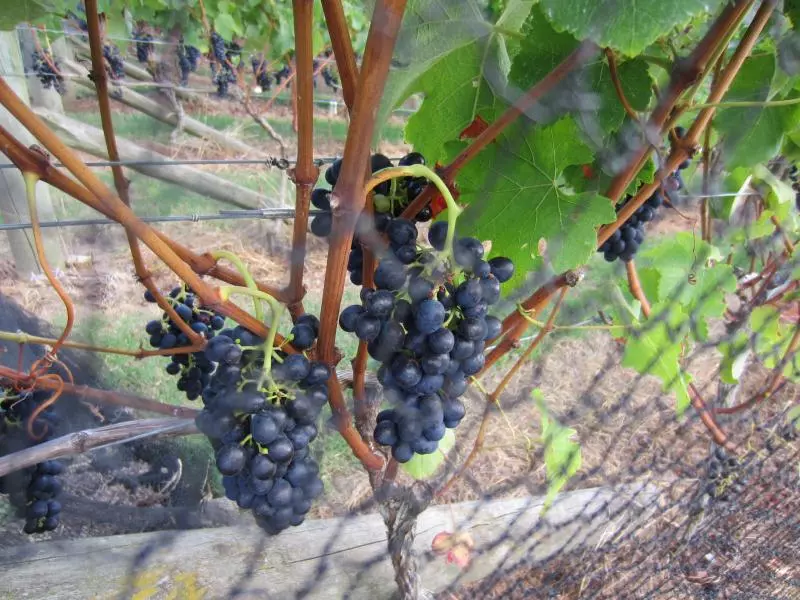 Agrotourismus in Venetien
Photo: M. Lenk
What agriturismo means—and what it doesn’t
In Veneto, agriturismo is part of a legally regulated sector that combines agriculture with tourism. A stay of this kind is therefore not simply a country hotel with decorative farm-style touches. The rural farm provides its defining setting, while guest rooms, meals and additional experiences vary from one property to another. The word alone does not mean that guests can help with farm work, or that there are cooking classes, animals to pet or a restaurant.
A fattoria didattica, or educational farm activity, is also not the same as every overnight stay at an agriturismo. In Veneto, the term describes farms that introduce visitors to agriculture, production processes and the rural environment through educational trails or workshops. A farm may offer tourist accommodation, run educational activities or combine the two; the terms do not automatically refer to identical services. If you are travelling with children, you can take this distinction into account when choosing the kind of trip: a relaxing stay in the countryside and a guided day of learning are two different holiday experiences.
The right part of the region depends on the trip as a whole
Veneto is not one uniform rural backdrop. The region stretches from the lagoon and Adriatic coast, across plains and hills, to the Pre-Alps and Dolomites. Staying near an art city leads to different day trips than staying at a farm in a mountainous area or near a lake. So don’t just choose a type of accommodation; think about how the trip will unfold: Will you stay in one place for several days, combine individual excursions with a rural retreat, or is the farm itself the main reason for your stay?
For a combination of culture and countryside, cities can be separate day-trip destinations while your accommodation is outside the centre. If you want to focus on architecture, museums and historic cityscapes, explore the suggestions in cultural trips in Veneto. Accommodation in Padua, Treviso or Vicenza offers possible city bases; these are not the same as a rural farm stay. If Venice itself is your main destination, plan your city visits and overnight location separately: accommodation in Venice refers to the lagoon city, not to the general concept of agriturismo.
The plains in the south and east offer a different kind of trip from the urban centres. Around Rovigo, you can combine your stay with a look at southern Veneto; for a trip that also takes in the lagoon and coastal area, Chioggia is another point of reference. These place names are no substitute for the precise location of a particular farm. What matters is whether the accommodation is within the area you want to explore and suits your planned overnight stops—not whether the name of a well-known destination lies somewhere in the wider region.
Choose between the lake, hills and mountains
In the west and north, the terrain gives a holiday a different character. Around Lake Garda, the lakeshore and the slopes of Monte Baldo take centre stage; on a trip to the Dolomites, the mountain landscape is the defining feature. Verona can be added as a separate city stop on a trip in the west, while Belluno offers a connection to the northern mountain region. These areas cannot usefully be lumped together as one “farm holiday”: elevation, landscape and distance from other destinations determine which excursions work well from a fixed base.
Wine and regional cuisine can also shape your stay, without every accommodation producing wine or serving food itself. For a trip with this focus, the wine tours in Veneto offer a complementary theme. What you can enjoy locally depends on the individual farm and what it actually offers; no particular grape variety, menu or tasting can be promised for an entire region. This distinction is especially useful on a touring holiday: the landscape and produce of an area do not automatically describe what the place you have booked provides.
How a farm changes the rhythm of your days
Unlike a stay in the middle of a city or along a densely built-up beach promenade, rural accommodation can mean a greater distance between where you sleep and the places you visit. In return, the surrounding countryside becomes part of the experience: routes through agricultural landscapes, the transition between fields and settlements, and the proximity of a smaller town can all give the day a different rhythm. An agriturismo is particularly well suited to travellers who don’t need to fill every hour with visits to another attraction and who would welcome a single base for several nights.
For families, the benefits depend less on the label than on whether the day-to-day experience suits them. A stay in the countryside can make a slower schedule possible; an educational activity at a farm, on the other hand, is a planned event. The topic of family holidays in Veneto offers more ideas for trips with different age groups in mind. A city break with children involves different daily travel than a holiday spent mostly around your accommodation. One type of accommodation does not have to work equally well for both kinds of trip.
Choose accommodation to suit the length of your stay
For a stay of just a few nights, a short journey to your main destination is often more valuable than a particularly remote location. On a longer stay, a rural base can be a starting point for several shorter excursions. A touring holiday, in turn, benefits from keeping the distances between overnight stops realistic: Veneto encompasses cities, lakes, coast and mountains, which cannot be swapped between like neighbouring districts in a single day. If, for example, you want to combine culture in Padua, the lagoon and the mountains, it is better to plan separate stages of the trip than to make long round trips every day.
The accommodation locations of Rovigo, Verona and Belluno represent different points of reference within the region. They show that “in the countryside” does not describe a specific geographical location. The same applies to Vicenza and Treviso: a city and its surrounding area can both feature in a trip, but they are not interchangeable overnight experiences. Your choice should reflect your priorities, the length of your trip and the balance you want between excursions and relaxation.
What kind of holiday are you looking for?
If your main aim is to experience art and urban history, treat the farm as a peaceful counterpoint and keep travel to the cities you visit manageable. On a food-and-wine trip, the rural setting is an added attraction, not a guarantee of particular products or meals. For families, it may be important to distinguish between staying overnight and taking part in an educational farm programme. And if you plan to spend most of your days by the sea, a lake or in the mountains, choose the type of landscape first and the form of accommodation second. For beach days, a holiday on the Adriatic coast is a different kind of trip from a stay on a working farm.
Agriturismo is particularly well suited to people who want to explore Veneto not just as a string of famous cities, but also make the countryside a deliberate part of their holiday. The right choice comes down to three connected decisions: which part of the region interests you, which places you really want to visit, and whether you would rather spend your days on excursions or at your accommodation. That way, a farm stay can be what it has the potential to be: a distinctive way to get to know the countryside, rather than a like-for-like substitute for a city hotel, beach accommodation or mountain inn.
