
Cultural trips in Veneto: art, architecture, and music
A cultural trip through Veneto works best when your interests shape the route: frescoes lead to Padua, Palladio’s architecture to Vicenza, Venetian urban culture to the lagoon, and an evening of opera to Verona. For a long weekend, focusing on one of these themes is more rewarding than switching between all four cities every day. On a longer trip, you can combine two bases. This leaves time not only to see buildings and works of art, but also to understand how they differ.
 Kulturreisen Venetien
Photo: Alesia Belaya
Kulturreisen Venetien
Photo: Alesia Belaya
It also matters how you want to experience culture. A single painting can make for a long museum visit; other travelers may prefer to take in architecture in the streets or make an evening of music the centerpiece. These choices lead to different itineraries. First decide which experience matters most to you, then arrange walks, excursions, and overnight stays around it. Not every famous sight needs to be part of the same trip.
Padua: seeing paintings in the context of their spaces
In Padua, the frescoes of the 14th century form part of a broader cultural story. The image cycles grouped under Padova Urbs picta are spread across eight buildings and monumental sites in the historic center. Giotto, Guariento, Giusto de’ Menabuoi, Altichiero da Zevio, Jacopo Avanzi, and Jacopo da Verona helped shape this artistic development. The works were created for different patrons in both religious and secular spaces. This makes comparing them more interesting than simply moving from one beautiful image to the next.
One useful way to approach them is to ask how a mural transforms its space: where does the eye go, which figures stand out, and how do the individual scenes relate to one another? Start by focusing on one image cycle, then add a second in a different kind of setting. A walk through the city between the two gives you time to reflect on what you have seen. Accommodation in Padua is a good option if you want to spend more than a single outing exploring its art.
The Botanical Garden and the fresco cycles are two distinct UNESCO World Heritage properties; they do not represent the same subject. A trip focused on natural history can therefore look quite different from one devoted to painting. If you would like to combine art and landscape, you can also explore the Province of Padua: the Euganean Hills, with their villas, fortified settlements, and monasteries, complement the city’s cultural offerings without requiring another major change of base.
Vicenza: from urban design to the villa
Vicenza is a good choice for travelers who want to see more in architecture than individual façades. The UNESCO World Heritage property includes the city of Vicenza and Palladian villas in Veneto. The regional context matters: the villas are not all in the city center, nor are they all within the Province of Vicenza. A walk through the city and an excursion to a villa are therefore two distinct parts of a trip, each with its own travel time and routes.
To get started, choose a clear question to guide your observations: how do the columns, openings, and center of a building relate to one another? Then look at the surroundings. A building on a square has a different effect from a country house in an open landscape. It is this contrast that makes an architecture trip appealing. An overnight stay in Vicenza lets you focus on the city portion of your trip; treat a villa excursion as a separate highlight, not an afterthought added to an already packed day.
Venice: explore one district in depth rather than trying to tick off the whole city
The historic city of Venice is divided into Cannaregio, Castello, Dorsoduro, San Marco, San Polo, and Santa Croce. These six sestieri give a cultural trip a useful sense of place. For a short stay, it makes sense to explore one chosen area in greater depth and add a second as a point of contrast. This gives your walk a sense of coherence, so your impressions are not lost in a long string of place names.
A good question to explore one afternoon might be: how do buildings, water, and public spaces fit together? Stick with one theme and set aside a separate block of time for your next museum. For travelers planning to spend several days in the lagoon city, choosing a district is therefore part of planning the cultural side of the trip. Where you stay affects how much of each day is spent getting around and how much on the interests that brought you here.
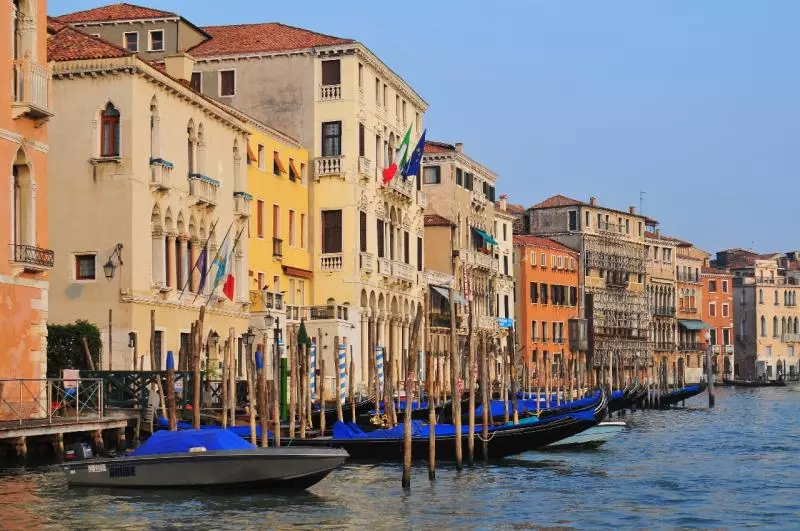
Staying in accommodation in Venice creates a different focus than a trip with constantly changing day-trip destinations. If you make the city itself your main subject, taking the same routes more than once helps you build a familiar sense of place. Water buses are part of getting around Venice and the lagoon islands, but a journey on one is still an activity in its own right—not an invisible connection between two sightseeing stops.
Verona: make an evening of music the anchor of your trip
An evening of opera at the Arena gives a trip to Verona a clear centerpiece. This creates a different rhythm from a trip devoted entirely to museums: the evening takes priority, while the day beforehand is deliberately kept light. If you plan too many extra stops, the performance may feel like the final item in an exhausting schedule. A walk and a leisurely meal can be a better way to prepare for this kind of trip.
An opera visit and a city stay can also be planned separately. An architecture or history trip does not need to include a festival performance; conversely, a music-focused trip does not need to cover every aspect of the city. Accommodation in Verona makes particular sense when an evening in the city is the main experience. If you are planning to spend time by the lake afterward, you can treat the Province of Verona, with its Lake Garda shoreline, hilly landscapes, and wine towns, as a separate second leg of your trip.
Bassano: smaller-scale experiences between the major cities
Bassano del Grappa combines its historic center with the Ponte degli Alpini over the Brenta and museum collections at the Museo Civico and Palazzo Sturm. Its cultural character also includes ceramics and print collections, as well as remnants of medieval fortifications. If you are looking for a more focused subject alongside major urban ensembles, Bassano offers a different scale: fewer changes of location, and a connection between local history, craftsmanship, and the river.
Bassano is a particularly good addition to Vicenza if you want your trip to cover more than architecture. Focusing on a museum and the urban landscape is more rewarding than trying to squeeze every collection into a limited amount of time. For a stand-alone stay, consider accommodation in Bassano del Grappa. The decision should reflect the cultural experience you are looking for, not simply a desire to add another place name to your itinerary.
How much can you realistically combine?
For three or four days, choose one city and a main theme, with a deliberate contrast—for example, frescoes and landscape around Padua or urban architecture and a villa near Vicenza. Five to seven days can accommodate two bases, provided you do not count arrival and departure days as full sightseeing days. This is a suggested way to plan, not a minimum stay required for any one place. Let your interests and the pace at which you like to take things in determine the length of your trip.
If you are traveling as a couple or in a small group, it helps to distinguish shared interests from individual ones. Two people do not have to give every museum equal priority. A walk together can bring the day together, while a longer art visit can be reserved for those who genuinely want one. This does not make time spent on culture any less valuable—it makes it more intentional. A free afternoon can also be worthwhile if it gives you room to reflect, rather than simply getting ready for the next city.
If you are specifically interested in landscapes and architectural ensembles recognized for their outstanding cultural value, you can find further themes in the UNESCO World Heritage sites in Veneto. For planning your trip, however, the more important question is what you want to see and understand there. A focused comparison of two image cycles, a single architectural theme, or one evening of music can shape a cultural trip more deeply than a long route between famous places.
